There are pages in history known to everyone. No matter where we live and whether or not an event happened near us, we still know about it. Often, we treat the event personally, even if it happened on the other continent across the ocean. For example, 9/11 feels like a personal tragedy to me, despite the fact that I live in Europe and hadn’t even visited the USA until 2024.
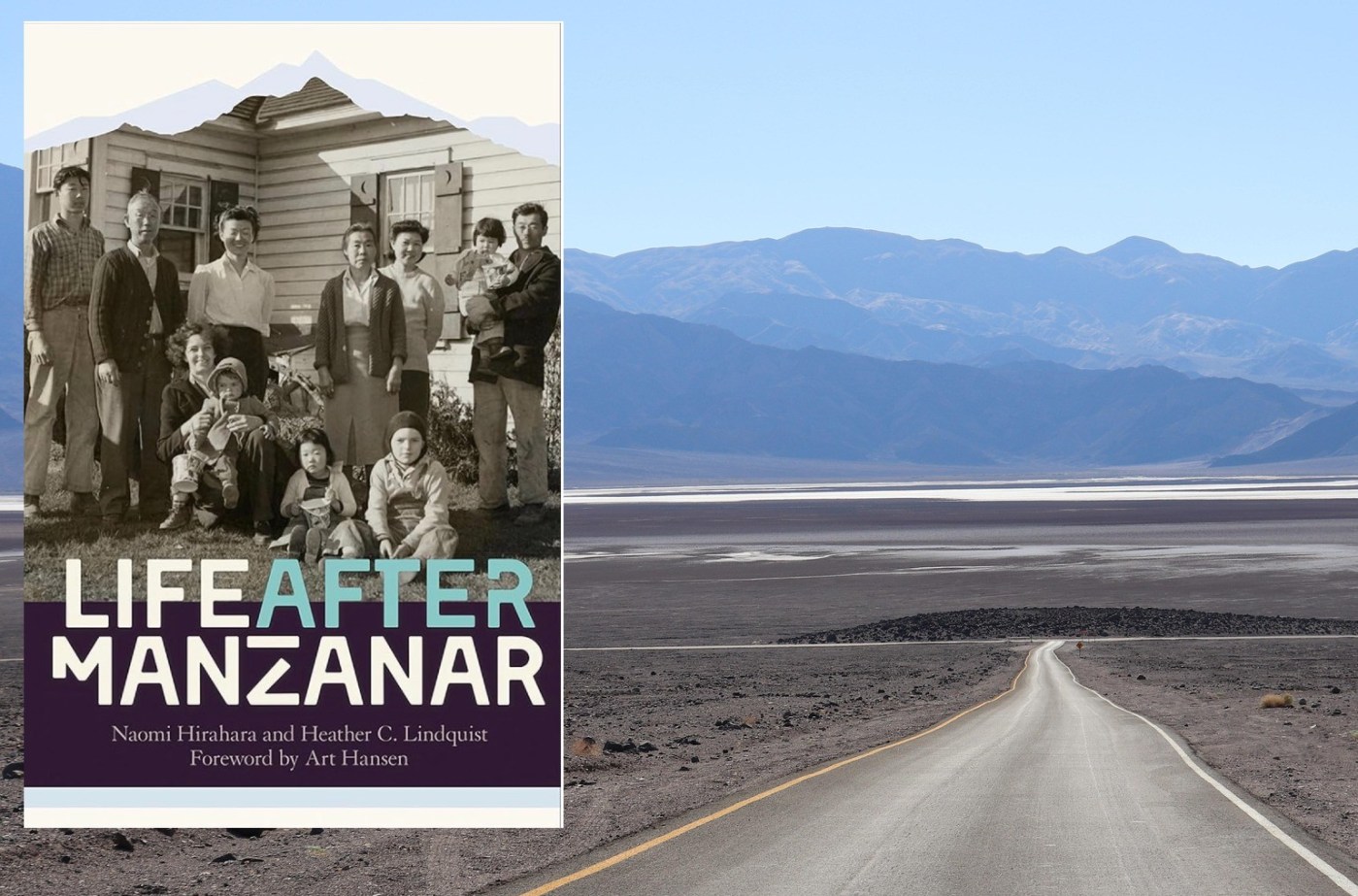
Other history pages remain hidden from the general public, both by distance and the people who wish to bury them as deeply as possible so that they wouldn’t have to deal with the consequences of their decisions. Naomi Hirahara and Heather C. Lindquist bring one such page into view in “Life after Manzanar.”
I first learnt about the Americans of Japanese ancestry being imprisoned in internment camps following the Pearl Harbour attack by accident. A very dear friend mentioned it in her mother’s obituary. Next, I read about it in J. Edgar Hoover’s biography. So, I couldn’t pass by “Life after Manzanar” when I came across it.
As the title implies, the book doesn’t dwell on the people’s lives in the camp. It does provide some details to ensure the context. Yet, the main focus is on how Japanese Americans, cruelly uprooted from their homes, adjusted to freedom when it was returned to them. It can be imagined that their stories differ vastly.
It didn’t surprise me, but still saddened me deeply that those who rebelled against the injustice ended up the worst. Those who renounced their American citizenship, protesting against the way their government treated them, and moved to Japan, found neither happiness nor prosperity. It made me think again about the futility of fighting the system. The system seems to always win, having the resources to push forward its agenda, destroying the lives of those who disagree with the rules.
While some people took their unlawful imprisonment painfully and made radical decisions, others chose to move on. After they were released from camp, they concentrated on building their lives anew. For many, it meant starting from scratch. If they had a flourishing business before, it was gone now. Not all employers were eager to take back the ‘untrustworthy’ workers. There were also the entrepreneurs who used the situation in their selfish interests and hired the ex-internees, offering them lower pay and poor living conditions.
It felt acutely familiar to read about people refusing to even mention their time in the camps. Some experiences are so traumatising that ‘talking about it’ doesn’t help. We are taught to believe that ignoring things doesn’t make them go away. But sometimes, it is exactly what makes a person go on.
I was glad that at least some of those who went through this horrific experience got some compensation for their suffering. True, one might say that it was too little and too late. And that money and apologies and turning the Manzanar camp into a national historic site are not enough. But, as I mentioned earlier, in a world where the system always seems to win, it is a huge victory, worth writing about and celebrating.
I found it challenging to follow numerous storylines, since a lot of names are mentioned in this book, and then the authors move between their life stories in different time periods in different chapters. It read more like a research paper. Nevertheless, the book left a lasting impression on me, and I’ll keep thinking about it for a long time.


I like your analysis of this book, recognizing its strengths even when certain aspects were hard to follow. What a dark chapter in our human history this was. And the aftermath is not something we often consider, tragic in its own right. Thank you for your reflections
LikeLiked by 1 person
Thank you for reading and sharing your thoughts. Yes, the aftermath is often overlooked, while that is what brings lasting and often destructive consequences that have a bigger effect than the event itself.
LikeLiked by 1 person
I think you are right there. The ongoing trauma and the way it shapes lives really needs consideration.
LikeLiked by 1 person
Moreover, if a person went through something like this, it changes the way he or she brings up their children. Not necessarily in a negative way. My grandfather, for example, was able to teach his daughters, including my mother, how to treat people exclusively with kindness, despite the injustice he had been put through. Alas, not always it happens like this.
LikeLiked by 1 person
Yes. That can indeed happen, as you have seen. These are the things that bring hope.
LikeLiked by 1 person
And we do need more hope in our lives.
LikeLiked by 1 person